
Caregiving Basics
In any caregiving situation, there are four basic guidelines
to help ensure that you offer loved ones
the attention and support that they need.
Pray | Listen | Respect the Grief Journey | Preserve the Dignity

PRAY
Whether before, during or after a caregiving experience, prayer helps ensure that our caregiving reflects the heart of God. In praying before we offer care, we acknowledge our reliance on God’s strength and healing. Prayer in the midst of care directly communicates our support for our friend, reminding them of the comforting power of the Holy Spirit (remember: ask permission to pray with a friend as well as what they require prayer for). Following up your care with a commitment to continue praying offers additional encouragement and support for the one in need.
LISTEN
Good, empathetic listening is a caregiving guideline that is often taken for granted or overlooked, but it’s often the most powerful way you can help a person who is suffering. To listen well you must offer your complete, undistracted attention. You must also commit to hearing more than speaking, resisting the urge to give advice or tell your own story. When you respond, the words that you use should help the person name their own feelings and struggles.


RESPECT THE GRIEF JOURNEY
Grief is a normal and natural process by which a person makes a healthy adjustment to any significant loss in his or her life. Anticipating and accepting the emotions a grieving person experiences will let them know you are open and kind, offering room for them to process and feel what is happening for them in healthy ways. Emotions you should look for in a grieving friend include shock, denial, depression, anger, fear and bargaining. As you welcome and listen to these emotions without managing them or offering tips and advice, you help a grieving person journey towards acceptance. Remember: stay present and gracious as you engage the wounded’s grief.
PRESERVE THE DIGNITY
“Human dignity” can be defined as one’s self-worth. Our caregiving should not diminish a person’s feelings of self-worth/self-respect. Whether we care for a co-worker who is going through a divorce, a friend who has cancer, or for a spouse or parent–we need to remember that the person is first of all a child created by God. So engage their thoughts, feelings, struggles and dreams in light of that truth. When you wonder how to respond, ask yourself what you would want done to you in that same situation.

Explore Articles on Caregiving Basics
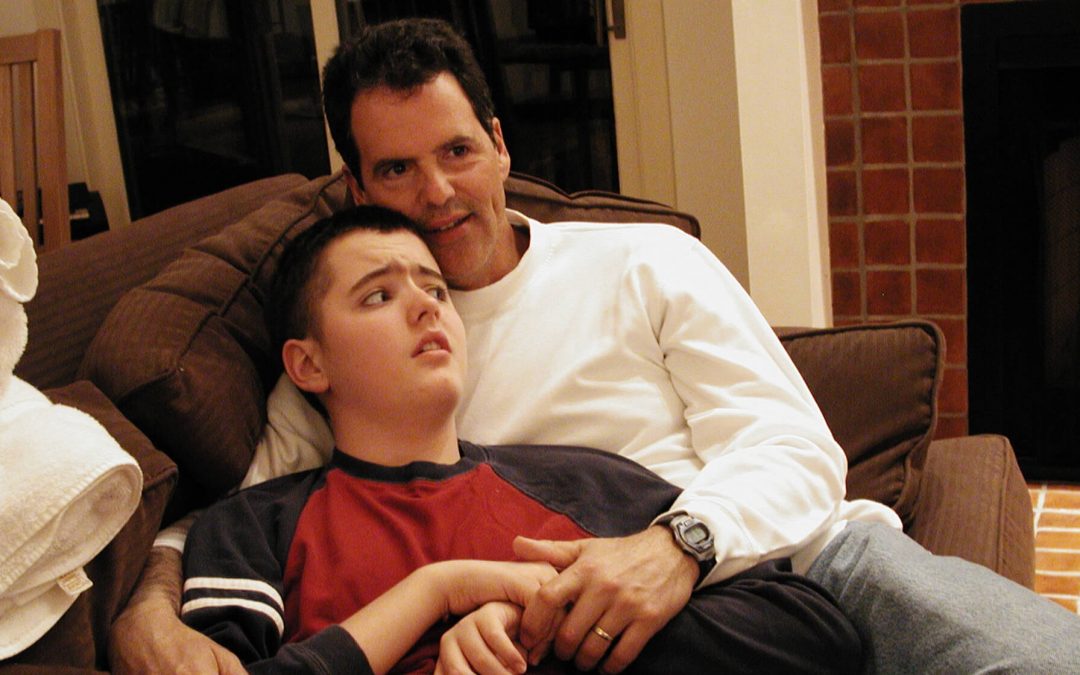
When Caring For A Person With Autism
Remember the person with autism is first of all a real person. Treat the person the way you would like to be treated.
◾Remember that non-verbal people can hear.
◾Please accept that we are doing our best.
◾We enormously need support and encouragement. The most helpful expression communicates, “You are doing a great job. This is not easy, and we see that. How can we be helpful?”
How Did You Do It All?
Mary Jo, how did you do it? How did you put your agenda aside and care for a developmentally challenged son and his family? How did you at 77 accept the responsibility of home-schooling your 14 year...
A Healthy Riddle?
What can you give someone that is natural, organic, naturally sweet, non-fattening, no preservatives and is 100% wholesome. It is also free and the supply is endless, and it lowers blood pressure,...